What remains in the city after an event?
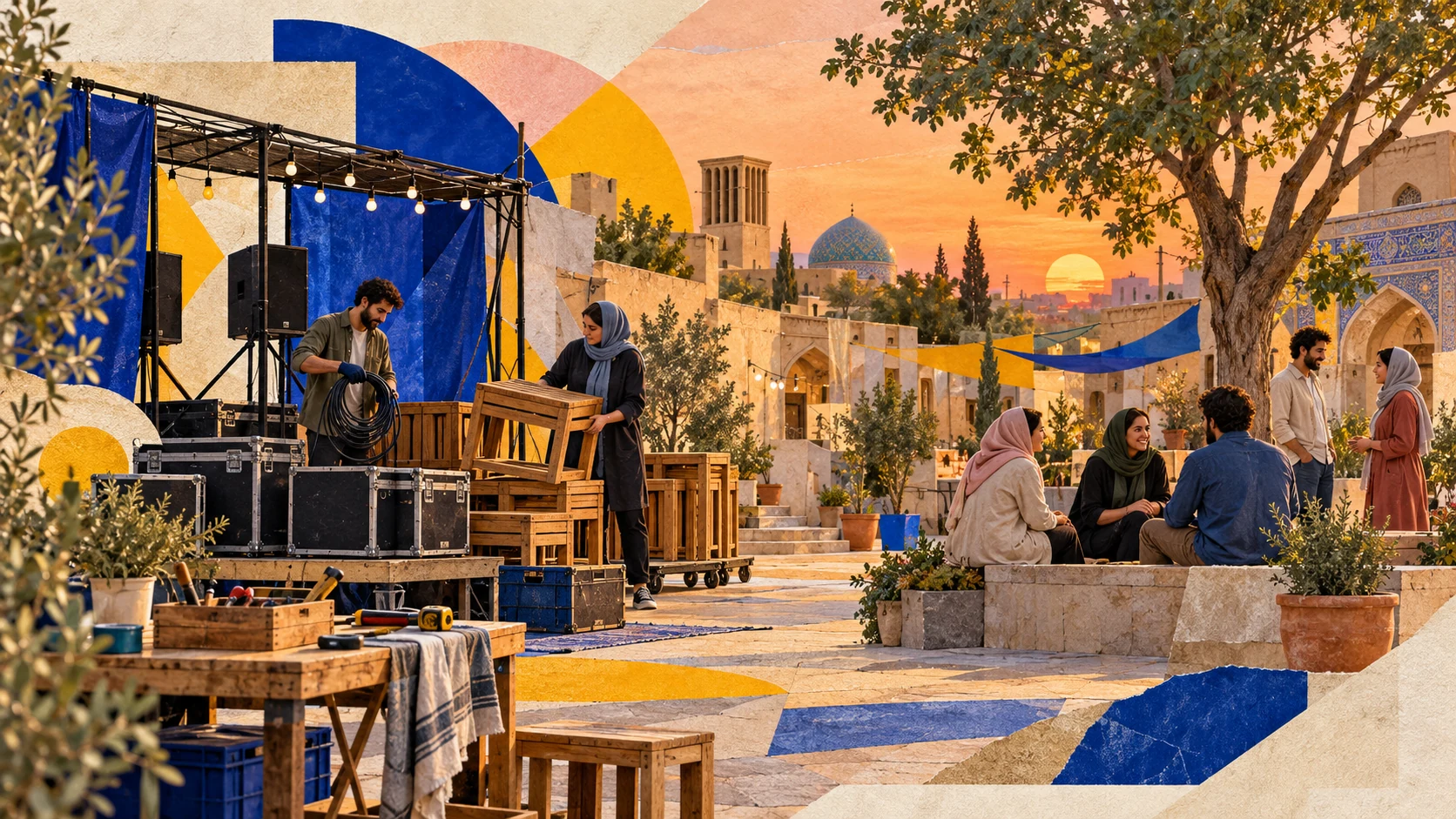
When an event ends, photographs, attendance figures and memories often remain. A programme that wants to contribute to urban life needs another question: which relationship, skill, possibility or practical step will continue afterwards? That question belongs in the design brief from the beginning.
Define the intended legacy early Before choosing a stage or programme, decide what the event should make possible and for whom. Connecting local practitioners, forming a working group, sharing a skill and developing ideas are different aims. Promising all of them without priorities makes the result difficult to assess.
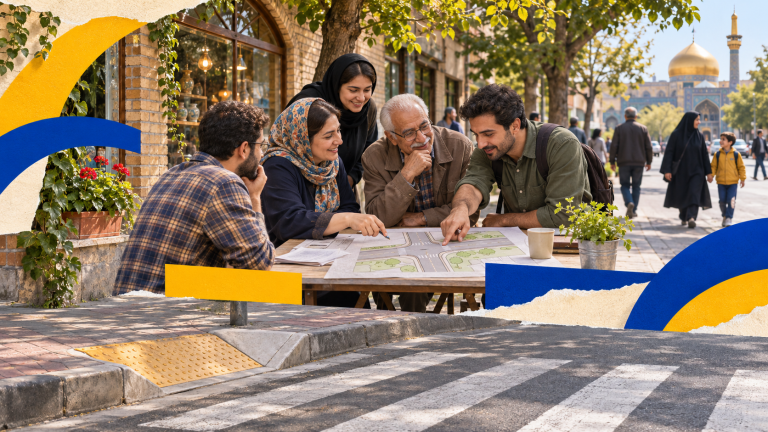
Distinguish attendance from participation Listening to a talk or appearing in a group photograph are forms of attendance. Participation becomes clearer when someone understands their role and where their contribution will go. A guided conversation, recorded observation or shared exercise can provide that role when the next step is also explained.
Agree the next step before saying goodbye What will happen to ideas, proposals and new connections? Who will follow up, and how will participants hear about progress? There is no need to promise implementation of every idea. Explain honestly what will be reviewed, what information is needed and when an update can be expected.
Make the record useful An archive can hold more than photographs. Problem statements, open questions, lessons and next decisions can help future programmes. Consider consent and clear attribution when sharing names, images, ideas or personal accounts. Documenting a contribution should not imply ownership of someone else’s idea or a partnership that has not been agreed.
Plan a future for materials Before making scenery, printing items or ordering equipment, ask where each element will go afterwards. Rental, repeated use, modular construction and a clear handover can form part of the plan. Include the people, storage and costs required. A material being recyclable does not mean it will actually be recycled.
Look beyond the attendance total Numbers are useful but incomplete. Did a relationship continue? Could someone take a specific next step? Which groups were missing from the experience? What needs to change in the next programme? A short, voluntary follow-up can offer insight if its limitations are acknowledged.
Give continuation an owner The lasting value may be a small collaboration, a new skill or a serious conversation rather than a major project. It still needs a person responsible and an understandable route forward. An event becomes connected to the city when the experience has somewhere to continue after the chairs are packed away.
KEEP THE CONVERSATION GOING
Choose a challenge and share an idea →Share your idea with us
Start with your experience and develop a proposal for a city challenge.

 English
 Persian