When Can We Say the Streetlight Is Fixed?
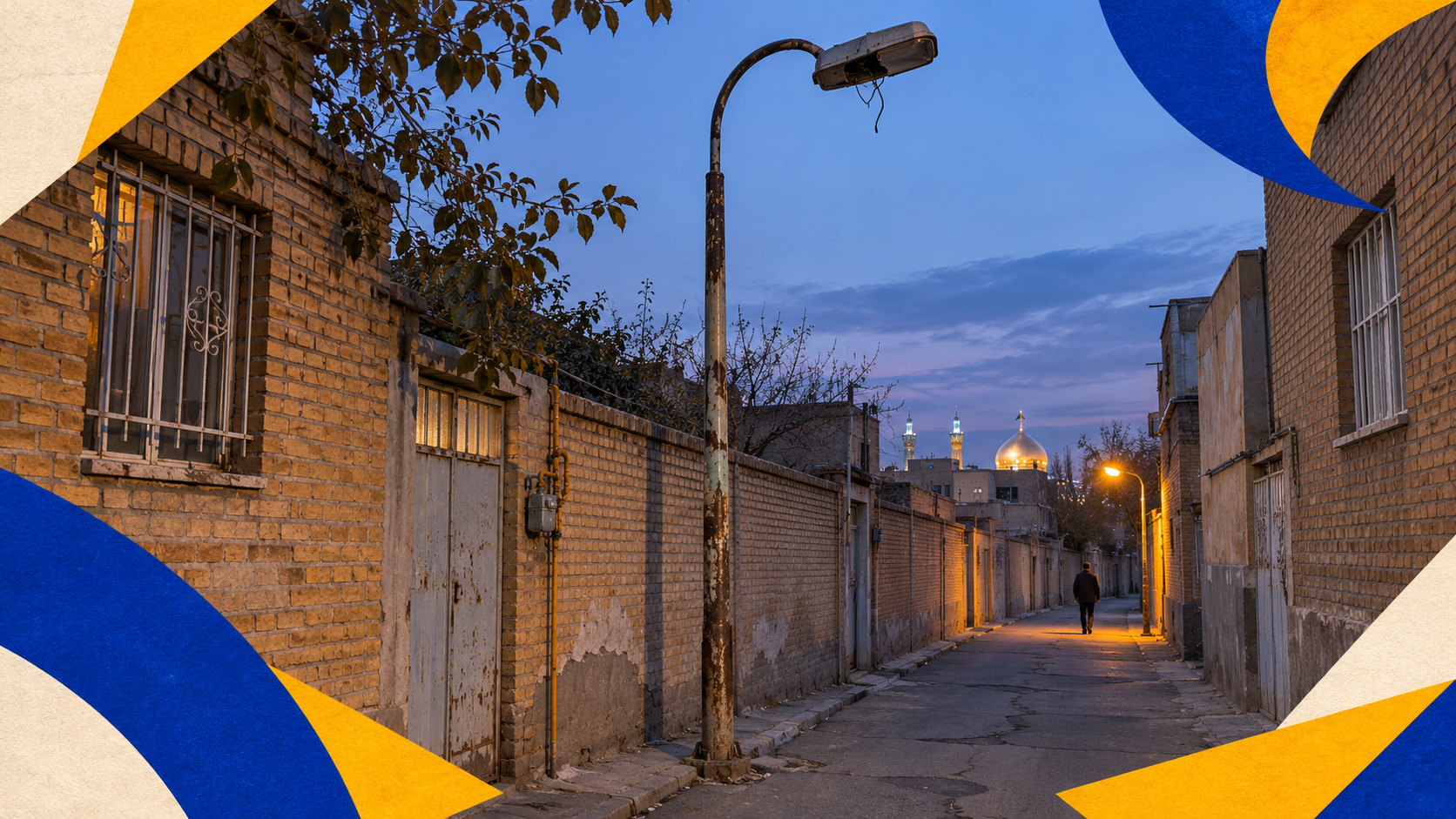
Suppose the streetlight at the end of your lane goes out. A neighbour reports it and gets a reference number. Two nights later, the light is still out. Another neighbour reports the same fault, unaware of the first report. For anyone coming home along that route each night, a simple question remains: will someone fix it, and when?
Residents should be able to see what happens next
A reference number is useful when it lets residents track progress. They might see which team received the report, when an inspection is due or when to expect an update. If the inspection shows the repair will take longer, a new timeframe helps them decide whether to wait or follow up.
Residents should be able to see the result on the street. If the light works during the inspection but goes out again the next night, they should be able to follow up on the original report. That preserves the repair history and helps crews identify lights that repeatedly fail.
Start with one street
Try this process with one kind of fault in one neighbourhood. Anyone who reports an outage by phone or online could use the same reference number to check the inspection date and outcome. After a few weeks, count repeat reports, measure repair times and see how many lights went out again after repair.
If you reported a broken streetlight in your neighbourhood, what response would convince you that someone was working on it? Send Shahr Naghshafarin a suggestion based on a route you use every day.
Explore Shahr Naghshafarin’s Challenge 31 and submit an idea
body.postid-502 figure.act-journal-story-cover { width: 70%; margin-inline: auto; }Share your idea with us
Start with your experience and develop a proposal for a city challenge.


 English
 Persian