Before streets and buildings, every city was an idea.
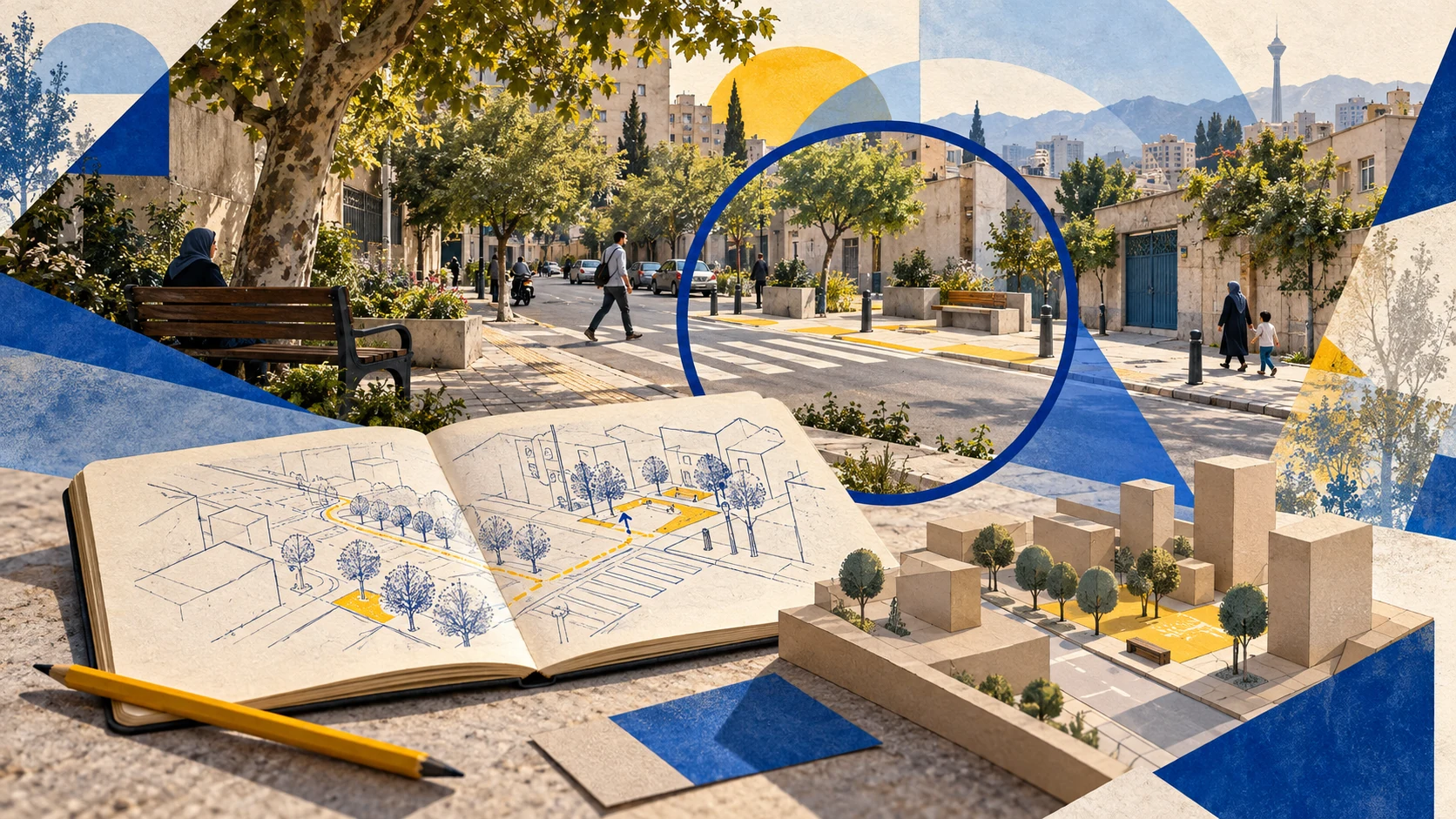
The next urban idea begins with a question Before a line is drawn or a building rises, someone imagines a route, a neighbourhood, a public place or another way to live together. A shorter walk, a place to meet or a safer journey for children may look simple at first. The next question is what idea deserves to be explored now.
Behind physical form are choices Roads, bridges, parks and squares make decisions visible. Why does one neighbourhood have a park and another not? Why is one street pleasant to walk along while another mainly serves traffic? Materials give physical form to a view of urban life.
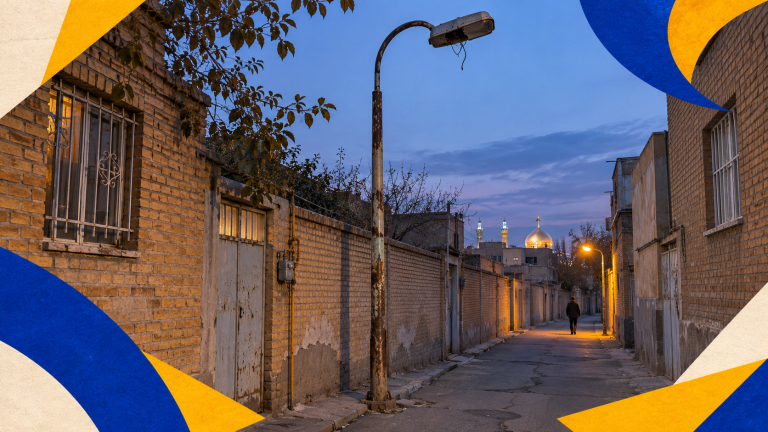
Begin with a real need Ideas often start when someone notices danger, missing shade, nowhere to play or an unused plot. Asking whether the situation could be improved opens a search for possibilities. An attractive proposal that does not address users’ needs can leave the original difficulty untouched.
Value different scales of change Large transport networks and infrastructure can matter, but they are not the only forms of improvement. A resting place, suitable lighting or a crossing in the right position may have direct value for daily users. Scale alone does not determine significance.
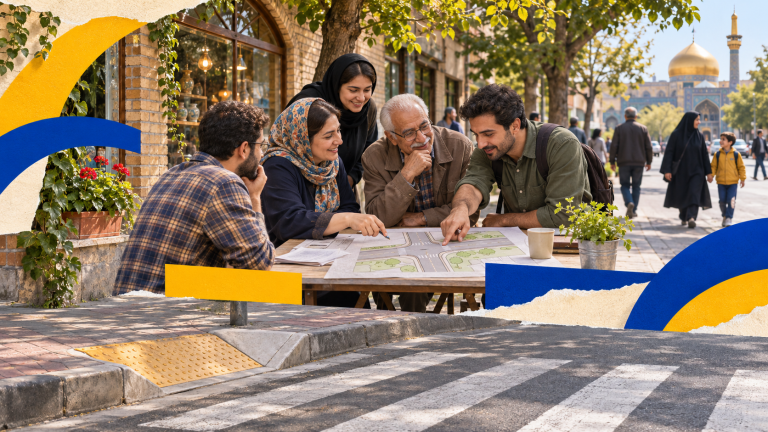
Residents hold detailed knowledge Parents know difficult school routes; older people know where rest and shade are missing; traders know when a street becomes quiet. These experiences complement technical expertise. They help connect a proposal with the actual life of a place.
Treat the city as a place of learning Work, travel, technology and social life change, so cities need to adapt. Some ideas can be explored through limited, temporary trials before a wider commitment. Observe how a proposed change is used, identify difficulties and revise the design rather than treating the first version as final.
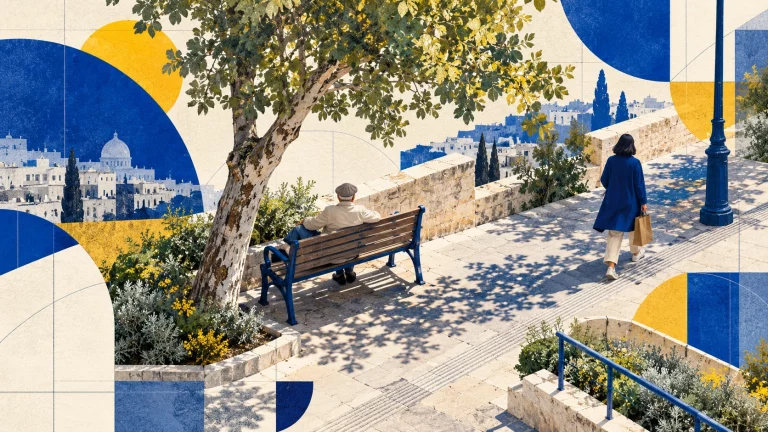
Look again at streets, squares and neighbourhoods A street can include trees, seating, accessible walking routes and active edges as well as movement. A square can support markets, play, performance and conversation. A neighbourhood can connect daily needs within a convenient walking area. Forgotten corners and existing spaces may hold possibilities before any new land is required.
Movement and participation are also design questions A transport choice affects the space a city needs and the options people have. Sometimes the next idea is a better conversation between residents, specialists, public bodies and local businesses. No single group sees the whole system.
An idea needs a route to action Beauty matters, but so do use, access, safety, maintenance and the experience of different users. Moving from imagination to reality involves discussion, feasibility, testing and revision. It may take time, and an initial idea may change substantially along the way.
Cities need settings where people can describe a problem, receive feedback and develop a proposal. The next idea may already exist in a student’s sketch, a neighbour’s conversation or a question that has not yet been heard. Look, ask, imagine and take the observation seriously: what could this place become?
KEEP THE CONVERSATION GOING
Choose a challenge and share an idea →Share your idea with us
Start with your experience and develop a proposal for a city challenge.
 English
 Persian