Will technology shape our cities — or will our choices?
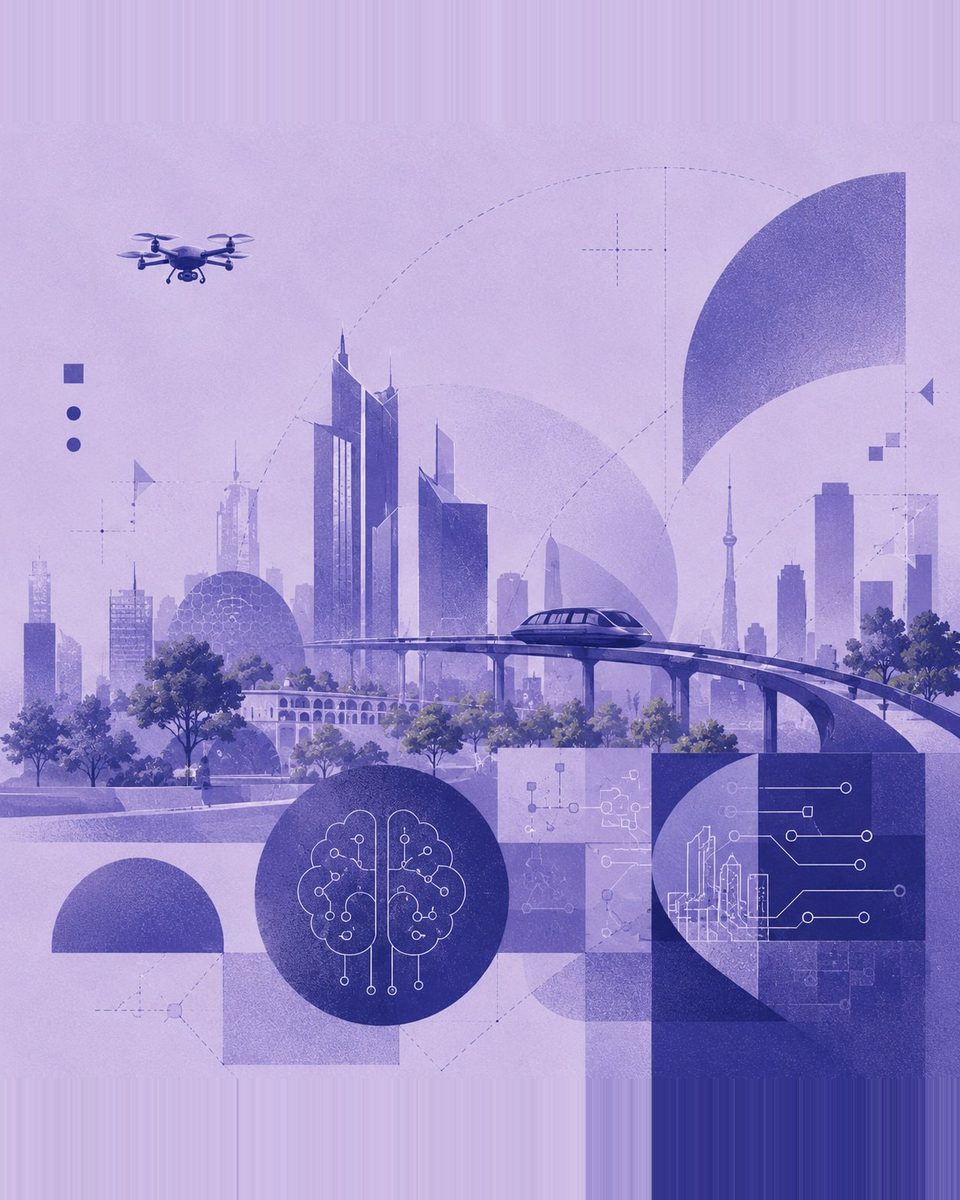
Urban futures, technology and governance The future city is already taking shape in the decisions we make, the data we collect and the ideas we take seriously. Choices about transport, public services and citizen participation influence the quality of urban life long before a new technology becomes visible.
A smart city must solve real problems Sensors, digital platforms and artificial intelligence do not make a city intelligent on their own. Their value lies in making a journey easier, a service more accessible, resources better managed or a decision more transparent. The starting point is the need, rather than the attraction of the tool.
Artificial intelligence raises human questions AI can support the analysis of traffic, energy use and service patterns. Its use also requires questions about how data is collected, who can access it, how a result can be explained and whether different groups benefit fairly. Having a technology available is different from knowing how to use it responsibly.
Data needs lived experience Journeys, air quality, energy consumption and service requests can reveal patterns. Yet figures are not an answer by themselves. A situation that appears simple in a chart may feel very different to the people who experience it each day. Quantitative information and human experience need to inform one another.
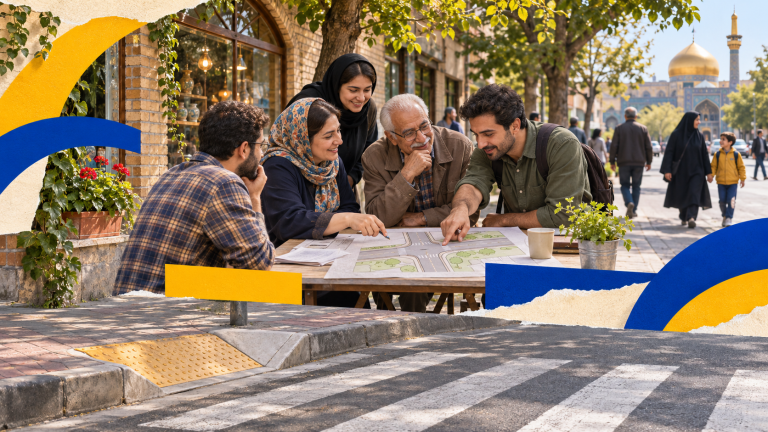
Participation must remain accessible Reporting a problem, submitting a proposal, responding to a consultation and following a decision online can make participation easier. Residents can contribute to defining a problem as well as responding to a finished plan. Digital participation should sit alongside other methods so that people with limited access or digital skills are included.
A changing economy needs adaptable places Remote work, online businesses, shared services and digital platforms can change travel and the way spaces are used. A place designed for one purpose may need another role later. Planning for adaptability means considering how urban spaces can respond to changing work, lifestyles and technology.
Governance is about how decisions are made People ultimately decide what technology should do. Trust depends on knowing who participates, what information supports a decision, who is responsible for its consequences and how residents can question it. New tools need dependable decision-making processes.
Prepare for several possible futures The future will not follow one forecast exactly. Social needs, environmental pressures and technologies can change priorities. Foresight is a way to explore several plausible directions and strengthen the city’s ability to adapt.
A sophisticated system is not successful simply because it is new. It should make life easier, improve access or strengthen decisions. The future city needs to be understandable, fair and trustworthy as well as technologically capable. The central question is therefore not only which technologies we will have, but which problems they will serve and who will decide how they are used.
KEEP THE CONVERSATION GOING
Choose a challenge and share an idea →Share your idea with us
Start with your experience and develop a proposal for a city challenge.


 English
 Persian