What makes a city an unforgettable experience?
Culture, tourism and the creative economy Some cities are remembered through more than their landmarks. Their stories, shared events, everyday encounters and inherited memories give places a meaning beyond their appearance. Culture, tourism and the creative economy meet where local identity becomes a valuable experience for residents, visitors and businesses.
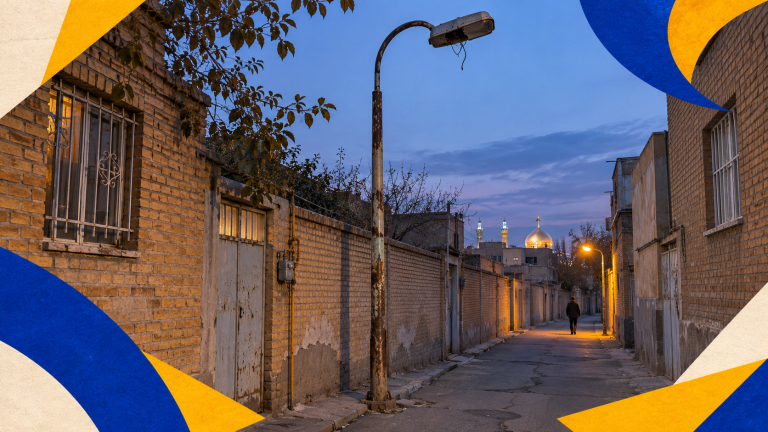
Discover the stories of a place Old buildings, neighbourhoods, markets, food, music, crafts and local customs all hold stories. Having these assets is not enough: they need to be recognised, cared for and shared meaningfully. An overlooked lane can become a cultural destination, an unused building can host an event, and a tradition can find a contemporary expression.
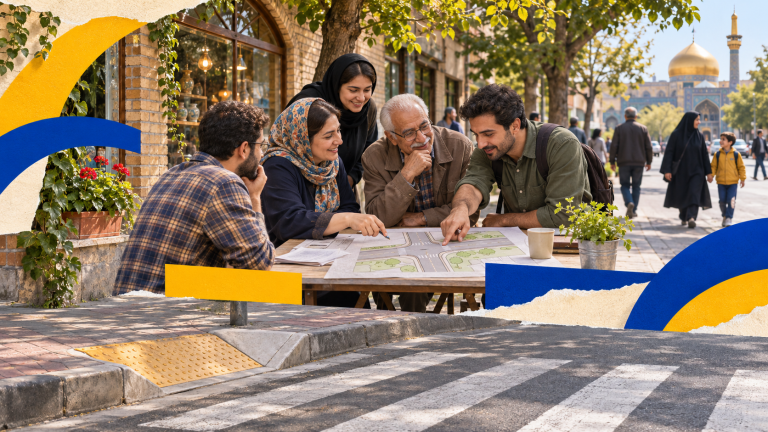
Culture happens beyond formal venues A street performance, local exhibition, market, bookshop or small cultural gathering can contribute to neighbourhood life. When people meet and share an experience, an ordinary physical setting can become part of collective memory. Public space itself can offer a setting for culture.
Tourism can help residents see again The value of a visit is not only the number of arrivals. Thoughtful tourism can reconnect a city with assets its residents have stopped noticing. A visitor’s experience can extend beyond familiar attractions to local food, art, people and less-heard stories, while remaining connected to everyday life.
Creativity can support livelihoods Artists, designers, makers, filmmakers, photographers, cultural businesses and event organisers contribute to a creative economy. Ideas and cultural knowledge can become products, experiences and services. A locally inspired product, a festival or an active cultural place can open opportunities for enterprise and work when developed carefully.
Small spaces can host meaningful experiences Culture does not always require a large new building. A park, square, pedestrian route or space between buildings may host a modest performance, temporary exhibition or neighbourhood market. What matters is the possibility of access, presence and participation.
Protect the qualities that make a city different Architecture, language, food, history and local practices cannot simply be reproduced elsewhere. Development should strengthen these qualities rather than replace them with a generic destination image. The question is how to introduce a city while protecting authenticity and the lives of its residents.
People are the city’s storytellers Long-standing traders, local artists, families and young cultural organisers each hold a different part of the story. The cultural future is shaped by their contributions alongside formal projects. A memorable place may be defined by a human exchange or a feeling as much as by a remarkable structure. How can the city become somewhere to experience and remember, rather than only somewhere to look at?
KEEP THE CONVERSATION GOING
Choose a challenge and share an idea →Share your idea with us
Start with your experience and develop a proposal for a city challenge.
 English
 Persian