How can urban spaces bring us closer together?
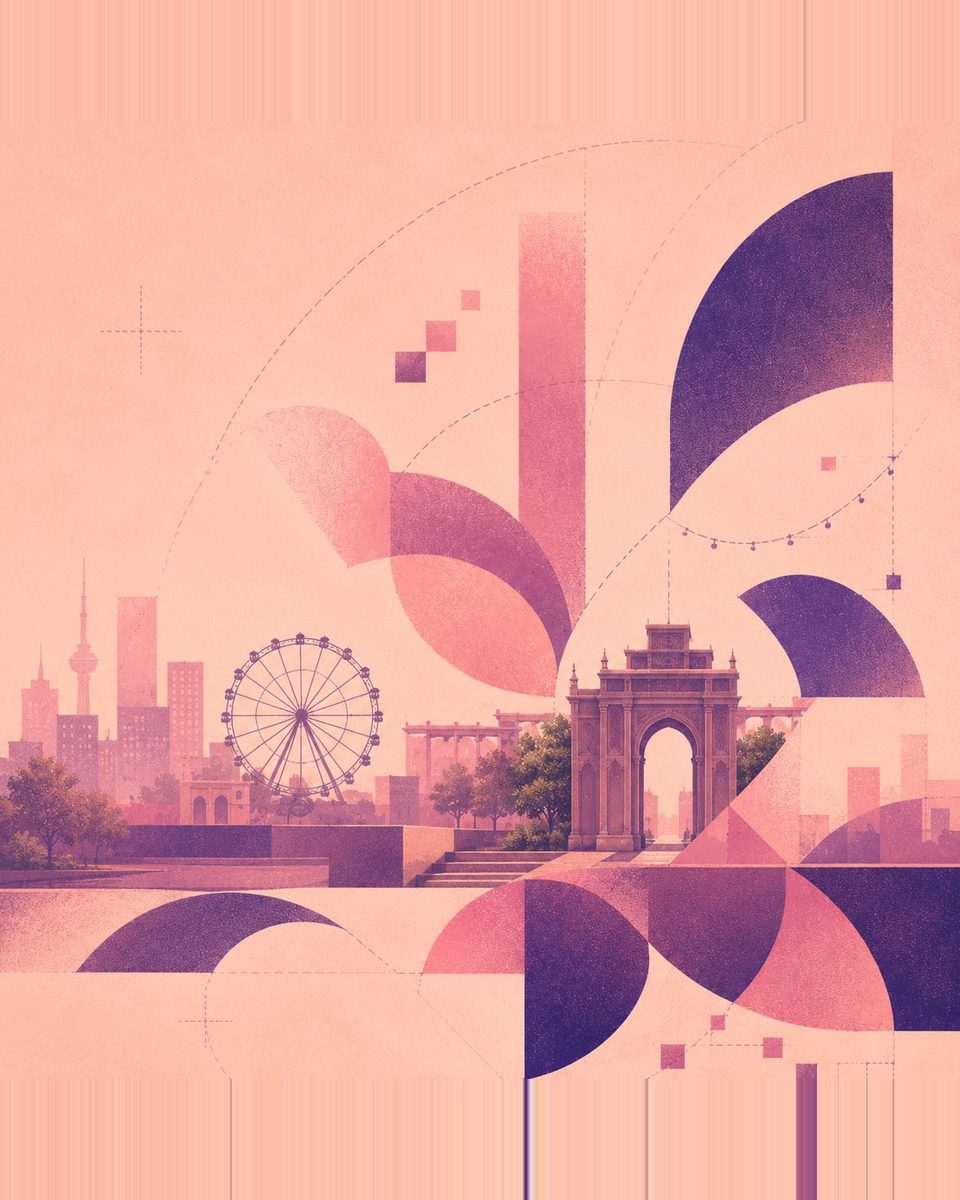
Architecture, urban design and regeneration Urban spaces influence how we move, pause, meet and feel about our surroundings. A square can bring people together, a street can invite conversation, and an abandoned place can return to everyday use. Design begins with understanding life, rather than simply producing buildings.
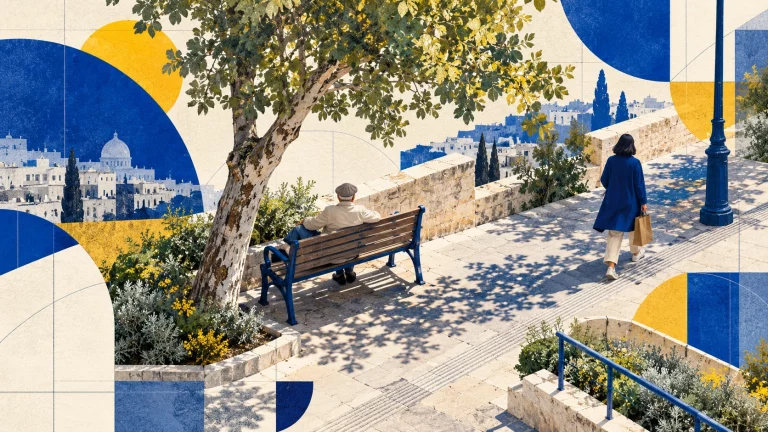
Space makes some behaviours easier A street organised only for fast movement offers little reason to stay. A square with shade, seating, activity and accessible entrances gives people more opportunities to spend time there. Good design can turn a passage into a place of presence.
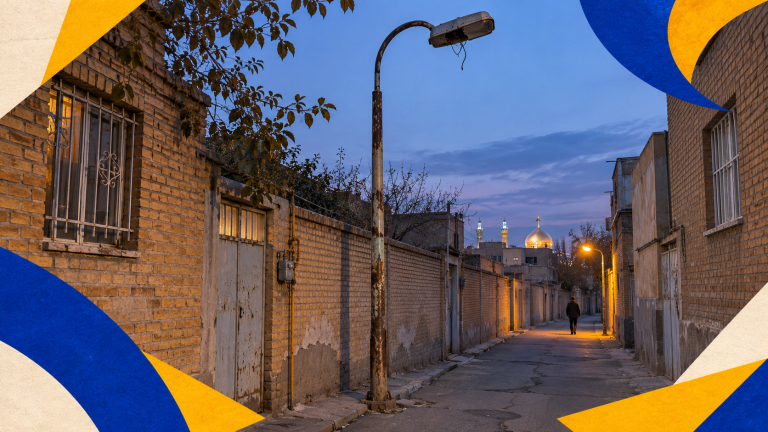
A neighbourhood is more than its buildings Lanes, shops, homes, trees and the ways people use shared places contribute to local character. Recognising this identity can make a space familiar and meaningful as well as attractive. An identical design language applied everywhere risks losing those distinctions.
Regeneration begins with what is already there Improvement does not always require starting again. An old building, unused plot or neglected corner may still contain valuable possibilities. Regeneration connects existing assets and memories with contemporary needs, opening another future without treating the past as disposable.
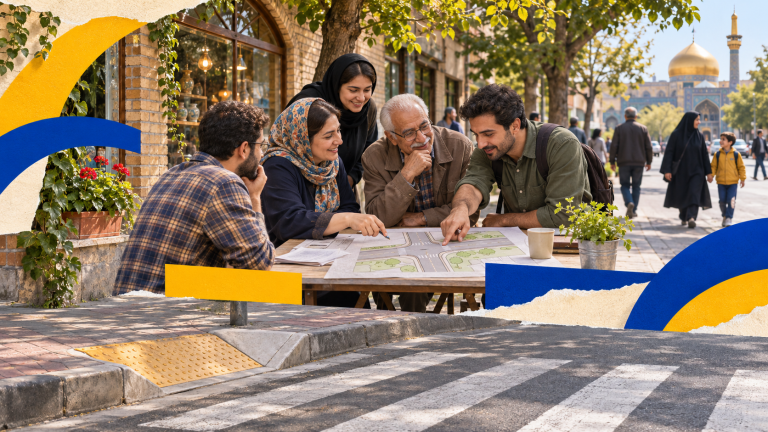
Make room for encounters Squares, pedestrian routes, parks and small common spaces can support meeting, play and conversation. Sometimes a well-placed bench, shade structure or continuous walking route changes daily experience more directly than a much larger project. The quality of relationships matters alongside the shape of a place.
Buildings belong to a wider setting A striking building loses some of its potential if it does not connect with its street and neighbourhood. Entrances, the space in front, the pavement, light and shade all form part of the architectural experience. The boundary between a building and the city deserves as much attention as its silhouette.
Understand identity before reshaping it Local history, memories and distinctive practices need to be understood, rather than copied as decoration. A city can change while retaining its personality. This theme invites discussion about public space, existing buildings and forgotten places through a practical question: how can we design more thoughtfully around people’s lives? The next opportunity may already be present in a space we have stopped noticing.
KEEP THE CONVERSATION GOING
Choose a challenge and share an idea →Share your idea with us
Start with your experience and develop a proposal for a city challenge.
 English
 Persian