What makes a city?
A city is more than the buildings, roads, bridges and parks visible around us. It is also the result of thousands of decisions, ideas and conversations about how to live together. Behind a physical place are choices about movement, meeting, safety and everyday opportunity.
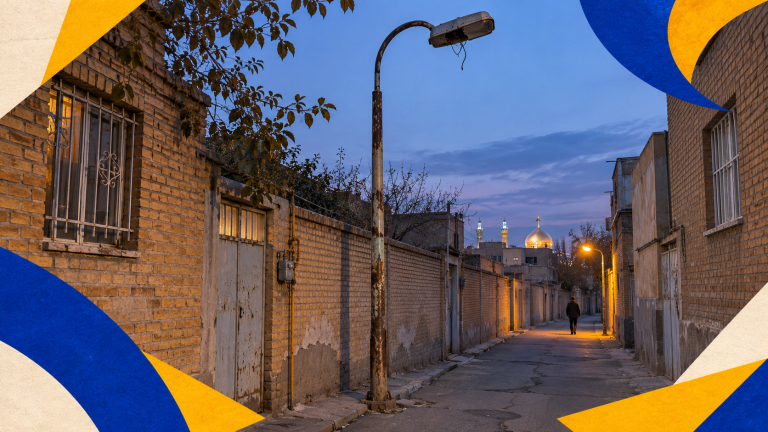
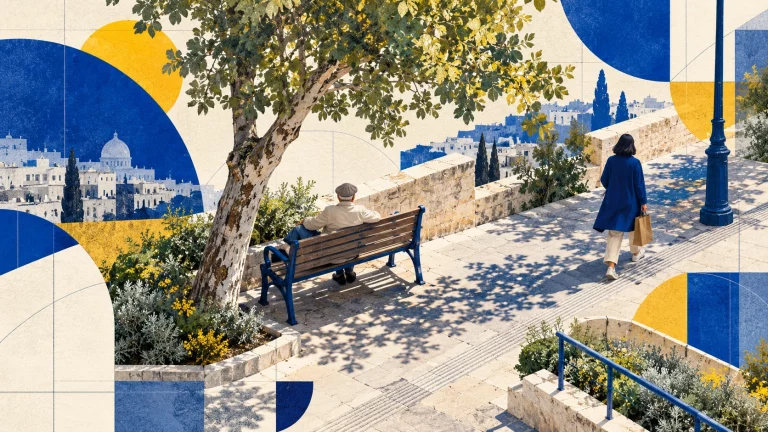
The details shape the experience A pedestrian route can give people more room to spend time. A public place can support conversation. Transport connections and green spaces can affect the quality of daily life. A bench or a tree in a thoughtful position can matter greatly to the person who uses it.
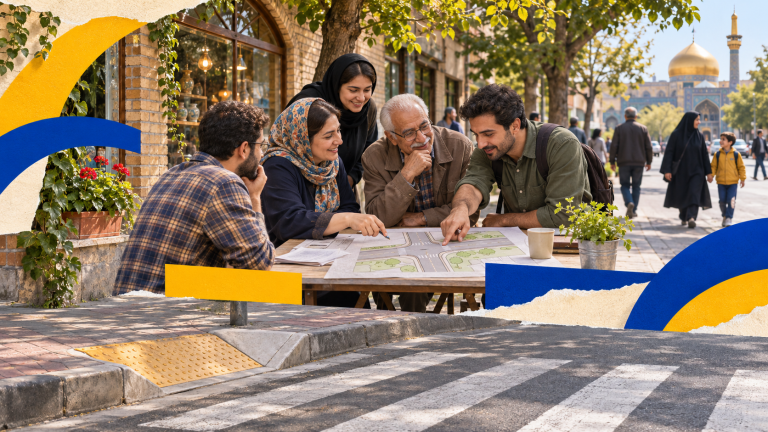
People give a place meaning Designers and public bodies contribute to a city, but so do residents’ habits, relationships, memories and culture. Places that look similar can feel very different because their social life is different. A useful city should let people move, connect, plan and feel secure, with attention to the needs of different groups.
A space can have more than one role A street can support public life alongside movement. A park can hold shared memories, and a square can offer a setting for conversation. Entrances, pavement widths, lighting and transport access influence how those possibilities are experienced.
Improvement includes learning Making a better city may involve revising an earlier choice, listening more closely, protecting something valuable or changing an approach that no longer meets current needs. As lifestyles, populations and technologies change, the city needs room to adapt.
What remains central is the purpose of urban development: the people who live with its consequences. A useful idea can make an ordinary moment easier, more humane or more enjoyable. A conversation can reveal a new perspective. The city takes shape where design, culture, decisions and human presence meet. What kind of life do our choices today make possible for tomorrow?
KEEP THE CONVERSATION GOING
Choose a challenge and share an idea →Share your idea with us
Start with your experience and develop a proposal for a city challenge.
 English
 Persian