Why shouldn’t you be the one to start a change?

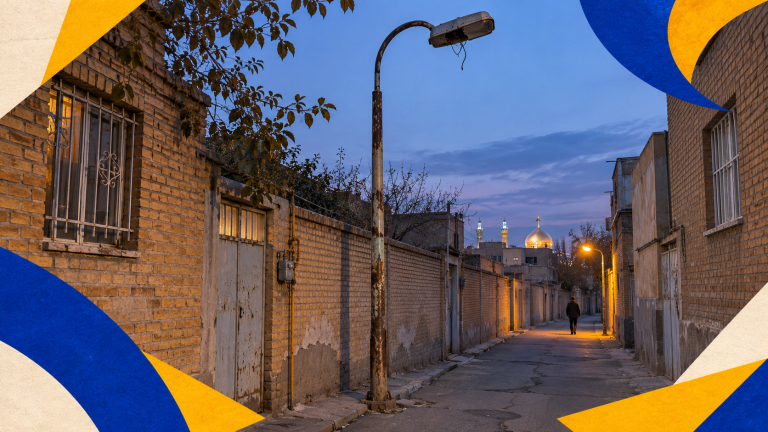
A different view of the city The city’s future is shaped by more than managers, designers and specialists. Anyone who lives there can notice something others overlook: an unsafe crossing, a forgotten space, a difficult journey or an unmet neighbourhood need. Noticing can be the first step towards change.
Everyday experience is valuable knowledge Children, older people, drivers, cyclists, traders and public-transport users experience different cities within the same place. Something one person has accepted as normal may be an obvious obstacle to another. A resident’s daily route can reveal details absent from a map or a formal meeting.
Influence does not always need a large position Raising an issue can start a useful conversation. A modest suggestion can bring people together or change how a place is understood. A safer crossing, more shade, a reused space or an easier entrance may be small in scale but significant to the people affected. The value of an idea lies in the need it addresses.
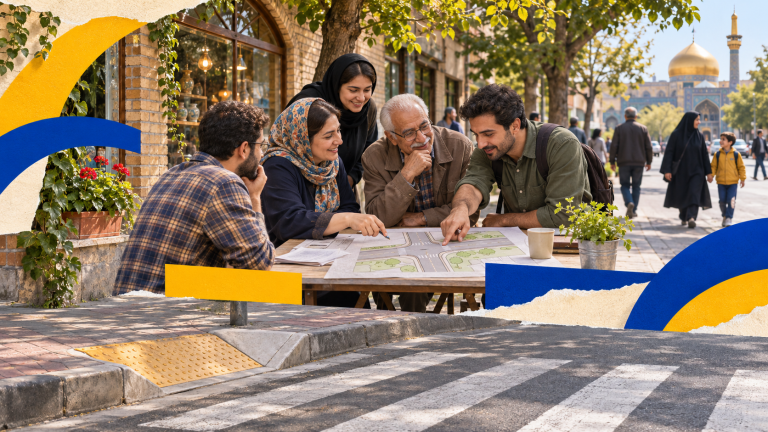
Conversation can be a form of action One person notices the difficulty, another understands a cause and someone else imagines a response. No individual holds every answer to a complex city. Conversation combines partial knowledge and helps an initial idea become more useful.
Your observation may be the missing part An idea does not need to sound sophisticated before it deserves to be heard. A recurring daily experience can provide a clear starting point. A street, unused plot, square or walking route may contain a possibility that is apparent to the person who knows it best.
Bring experience and expertise together Participation complements professional knowledge. Residents describe lived needs, designers develop possibilities and decision-makers examine the conditions for implementation. Their collaboration can make a proposal more practical and responsive to people.
The route begins with looking, questioning and talking, then developing an idea and considering action. A complete solution is not required at the first conversation. Saying that a particular part of the city could work better can open a path. What might begin if you decided that the problem you see deserves attention?
KEEP THE CONVERSATION GOING
Choose a challenge and share an idea →Share your idea with us
Start with your experience and develop a proposal for a city challenge.

 English
 Persian