Are cities simply built — or are they designed?
Cities are not made only of concrete, brick, steel and roads. Behind a street, square, park or building are decisions about movement, meeting, resting and everyday experience. Before physical construction, there is a choice about how people should be able to live.
Design is about daily life Urban design includes safety, comfort, access and opportunities to be together. A street can serve only vehicle movement, or it can also support walking, cycling, shopping and conversation. The difference is designed.
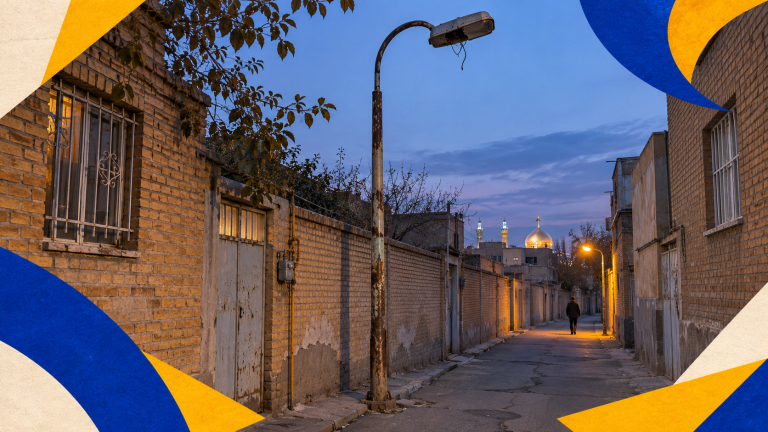
Public places work through details: somewhere to sit, shade, useful lighting, a legible entrance and a sense of safety. A successful square does more than look attractive; it gives people reasons to spend time there.
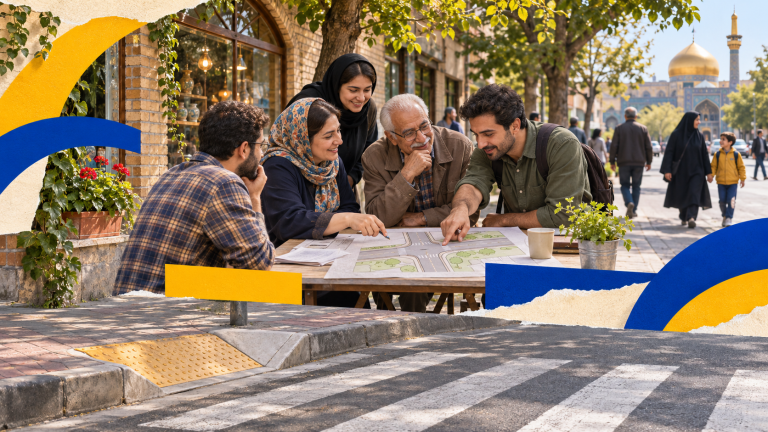
A city should be usable by different people Children, older people, disabled people, pedestrians, cyclists and public-transport users all belong in the design process. When part of the community cannot use a place easily, an important part of the work remains unfinished.
The quality of a city can be read in ordinary moments: a safe walk, a nearby green space, an accessible service or a comfortable place to rest. These details connect large plans with lived experience.
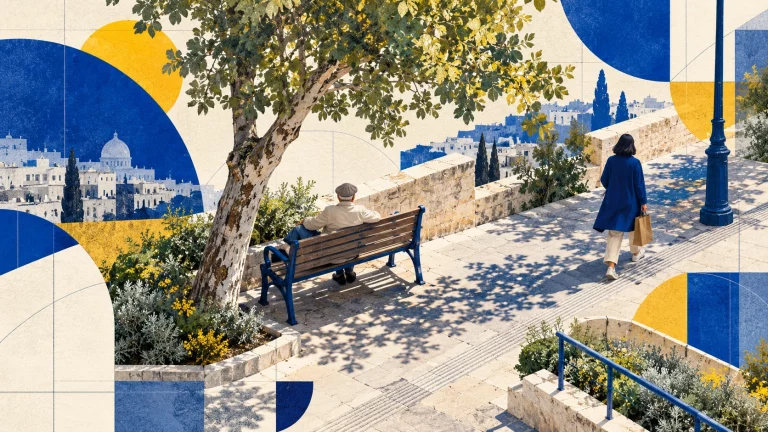
Make room for presence Streets and parks should allow people to pause, see one another and share a place, rather than only pass through it. Choosing wider pavements, planting or public transport instead of another use of space reveals a set of priorities.
Good design considers use, fairness, safety and comfort alongside appearance. The key question is therefore not simply how a city is constructed. It is what kind of life the city is designed to support. What would that mean in a place you know?
Share your idea with us
Start with your experience and develop a proposal for a city challenge.
 English
 Persian